
2025-12-23 Shenzhen Linx Technology Co.,Ltd 0
Currently, the global smart headphones market is undergoing a silent but profound transformation. The focus of industry competition has shifted from the early single-point performances such as sound quality adjustment and noise reduction depth to the "deep water zone" competition marked by core technology self-innovation, cross-device ecosystem integration, and the exploration of health data value. As a source headphone manufacturer with 18 years of experience, we also respond to the demands of the times and continuously upgrade and innovate new products.

The technical competition is returning to its fundamental level.
Leading manufacturers are no longer satisfied with using generic solutions. Instead, they are delving into the levels of chips, sensors, and algorithms. Headphones equipped with dedicated processing units can achieve more precise adaptive noise reduction, more efficient spatial audio rendering, and even complete voice wake-up and health data preprocessing on the device side. The key to this competition lies in how to achieve the optimal balance of computing power, battery life, and heat dissipation within an extremely limited physical space.

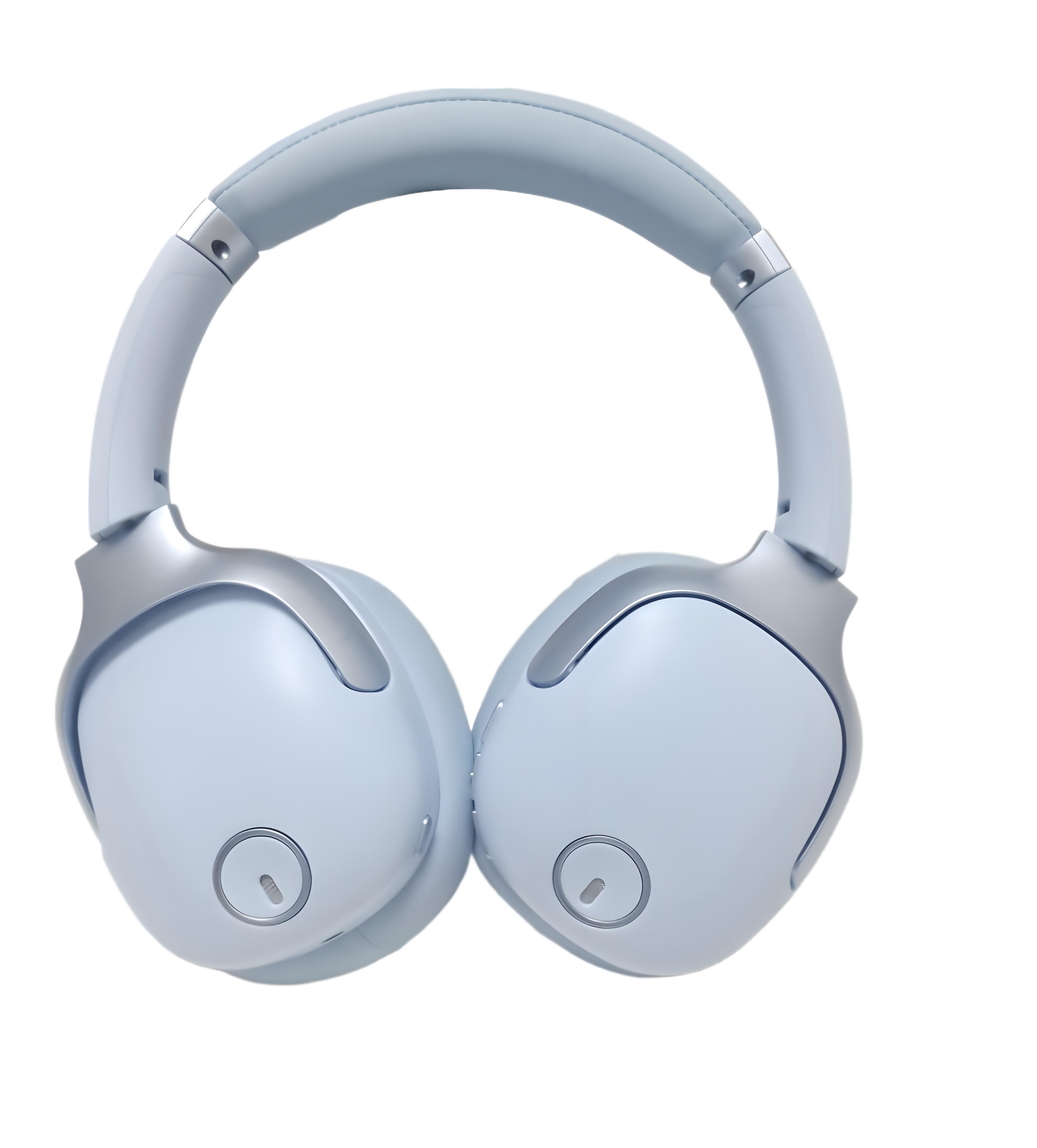
Ecological synergy capabilities have become a new stronghold.
The positioning of headphones is shifting from being an independent accessory to a crucial "auditory node" within the network of personal smart devices. Their value is increasingly manifested in their seamless integration capabilities with smartphones, laptops, smartwatches, and even emerging XR devices. For instance, during video conferences, headphones can automatically pair with the computer and enable high-definition recording mode; during workouts, they can synchronize heart rate data with the watch to jointly provide exercise guidance. Whether they can deeply integrate into a certain ecosystem or achieve seamless, non-intrusive connections across platforms directly affects user loyalty.
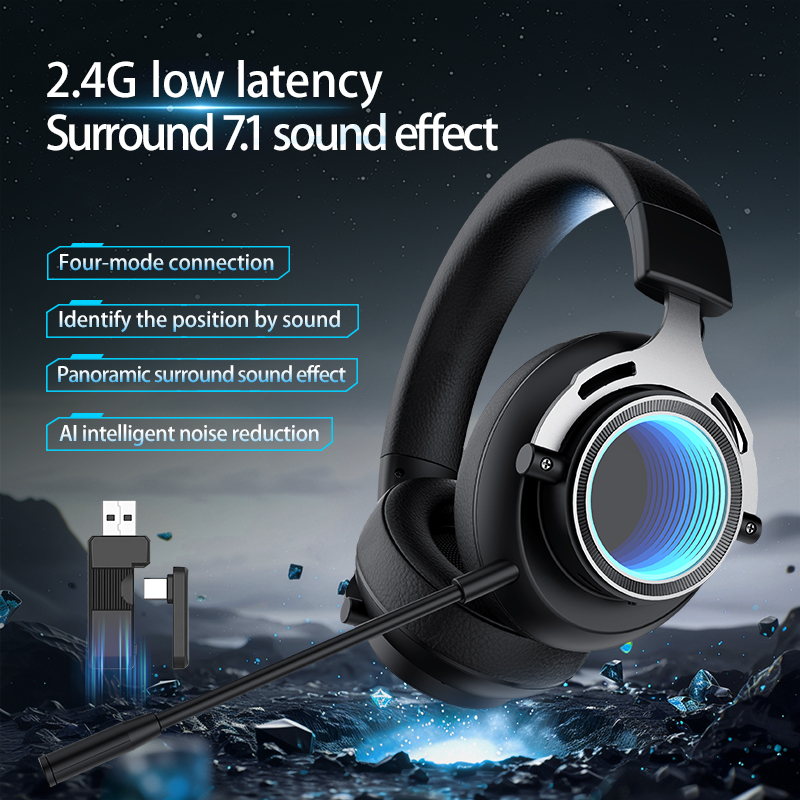
The health function has shifted from "monitoring" to "insight".
Basic heart rate and blood oxygen monitoring have become standard features for high-end models. The next step is to provide users with trend-based health insights and contextual recommendations by continuously collecting health data and combining it with artificial intelligence analysis. For instance, heart rate variability analysis can indicate stress levels, and changes in body temperature can be used to infer the physiological cycle. This requires enterprises not only to have hardware capabilities, but also to establish trust in the data algorithms and privacy security domains.
The competition threshold at this stage has been significantly raised. It tests an enterprise's comprehensive technical reserves, ecological position, and in-depth understanding of user scenarios. Simply relying on audio technology or marketing advantages is no longer sufficient to establish a long-term barrier.

However, both opportunities and challenges coexist. The issue of data security and privacy protection has become increasingly sensitive, and battery technology remains a bottleneck restricting functional innovation. Nevertheless, the direction of development is already clear: Future smart headphones will no longer merely be audio devices; instead, they will integrate advanced sensing, local intelligence, and seamless connection functions, becoming a personal computing center that is quietly reshaping the way we perceive the world and manage our health. We will also continue to develop new products to better serve our customers.



Tel: 86-755-81475059
Phone: 2355560239@qq.com
Enterprise QQ:2355560239@qq.com
Company Fax: 0755-81475860
E-mail: sales02@linxheadphone.com
ADD: Building C,Jinxiongda Technology Park,No.105 Huanguan South Road, Longhua District, Shenzhen
Produce:LINX Science Park, No.1 Heye Third RD,Shuikou Street, Huicheng District, Huizhou City